Traditional Syrian embroidery has been integral to the country’s textile tradition for centuries. With vibrant colours, elaborate patterns, and meticulous stitching, this enchanting handicraft is about more than beauty: for Syrians, it’s about identity.
Embroidery is the adornment of cloth with symbols, patterns and motifs that make our stories visible. Each piece holds a meaning and value that is deeply personal and symbolic for the maker. Bridal dresses, ceremonial garments, blouses and shawls are all lavishly decorated, conveying messages that celebrate important life events.
Over the centuries, Syria’s diverse geographical regions and cultural influences have contributed to a range of embroidery styles, each with unique patterns, stitches, and colour palettes. Collector and academic John Gillow writes, ‘Older women can tell the village and sometimes even the embroiderer of a particular dress.’
Historically, embroidery has been an essential economic activity for women in Syria, providing income for many families. The intricacy and beauty make it highly sought after in international markets; however, due to the ongoing conflict and the uprooting of Syrians, traditional crafts, including particular embroidery patterns, are under threat of being lost.
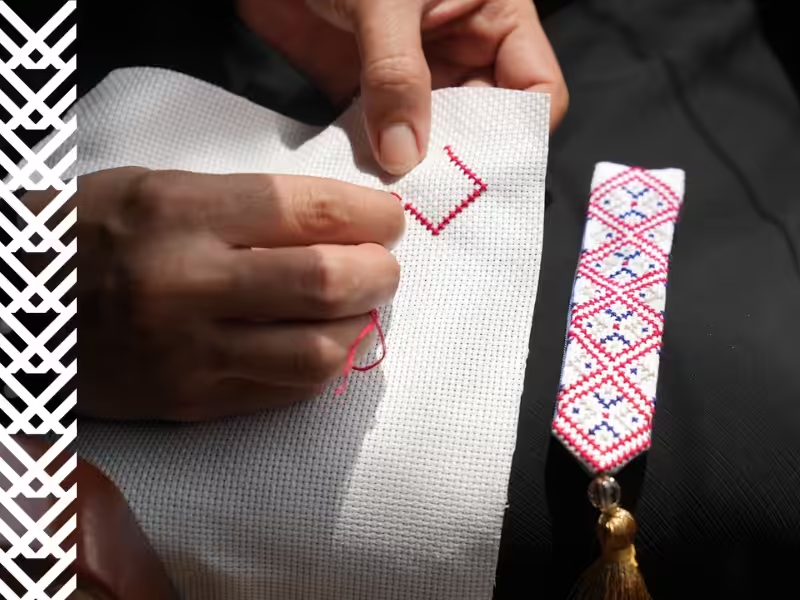
A time-intensive technique involving small, X-shaped stitches, traditionally used to decorate clothing, table linens, and home decor.
Satin Stitch
A smooth, dense embroidery technique used to fill shapes with rich, solid colour.
Chain Stitch
A looping stitch that creates a textured, flowing line, often used in decorative patterns.
Couching
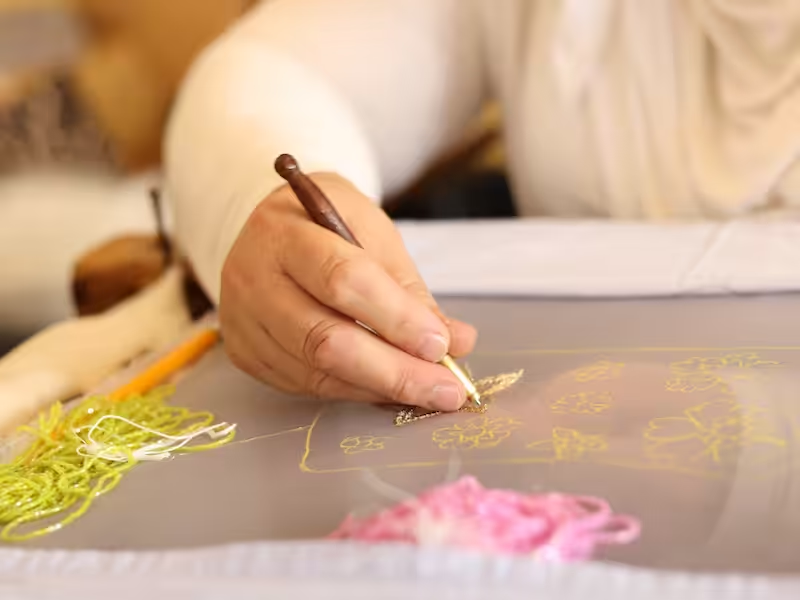
A technique where threads are laid on the fabric and secured with smaller stitches, allowing for intricate designs and raised textures.
Materials
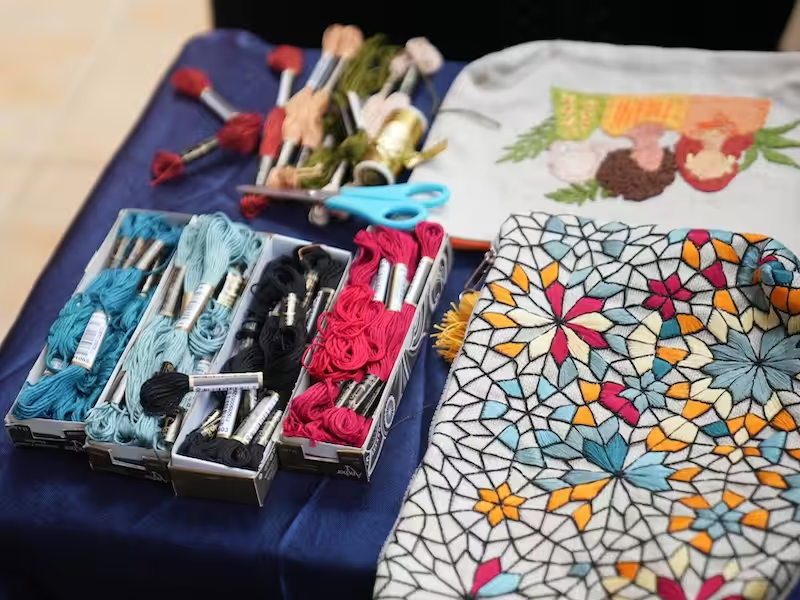
Natural materials such as cotton, silk and wool are often used, though the choice of material can vary depending on the intended use of the embroidered piece. Some groups also incorporate upcycled materials such as fabric remnants and repurposed textiles, contributing to sustainability efforts.