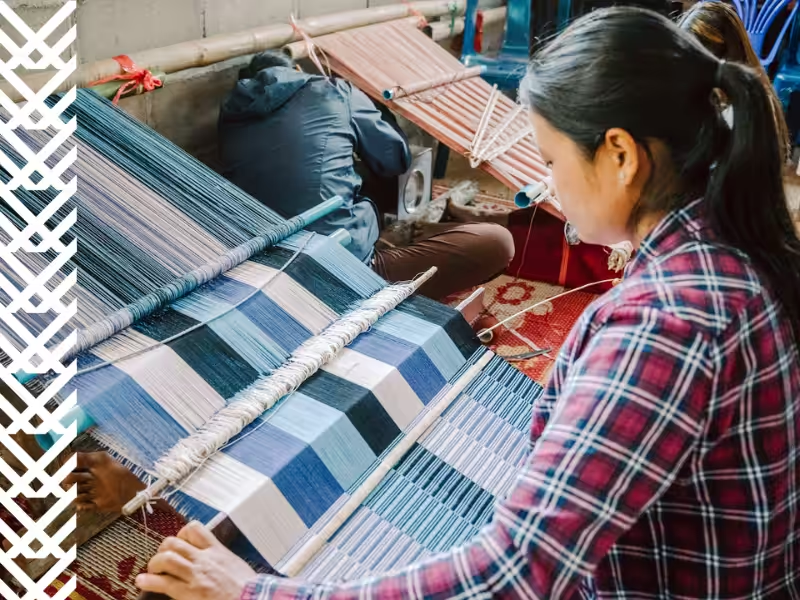
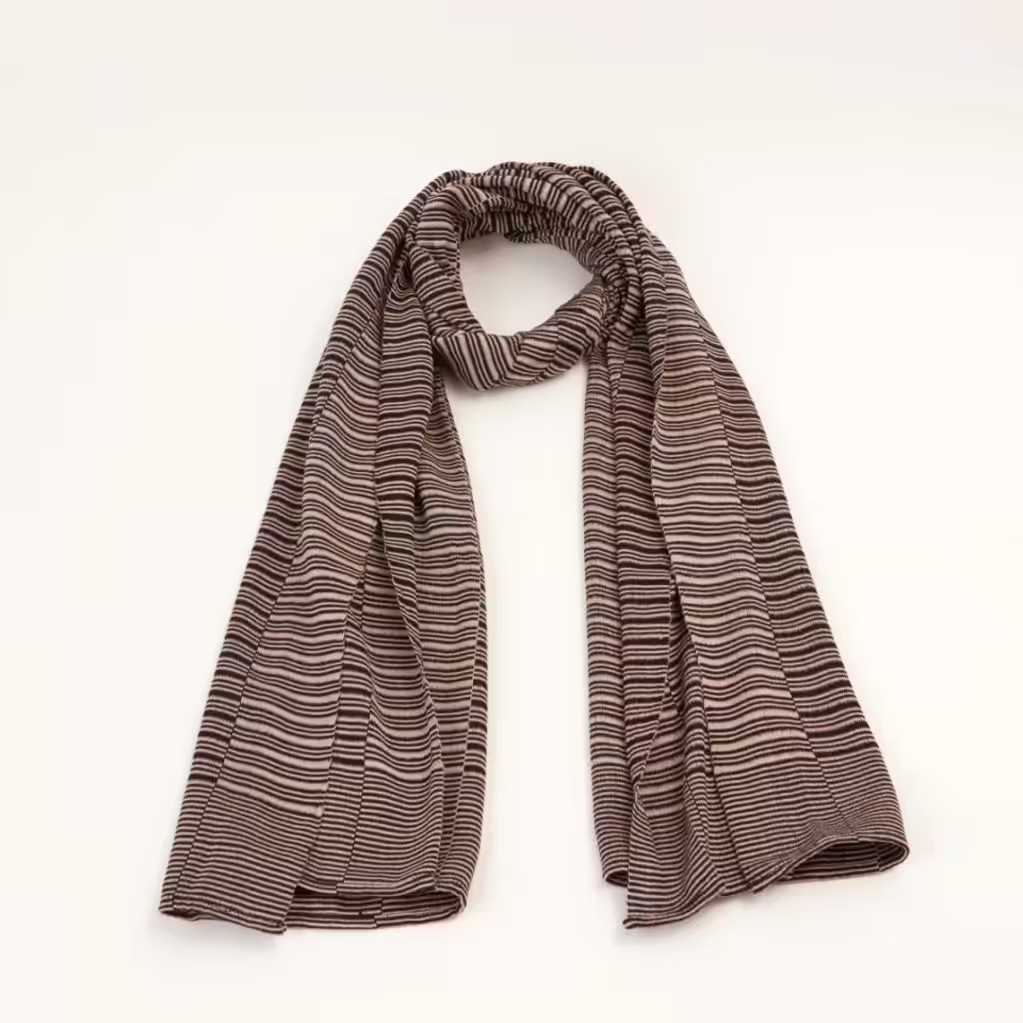
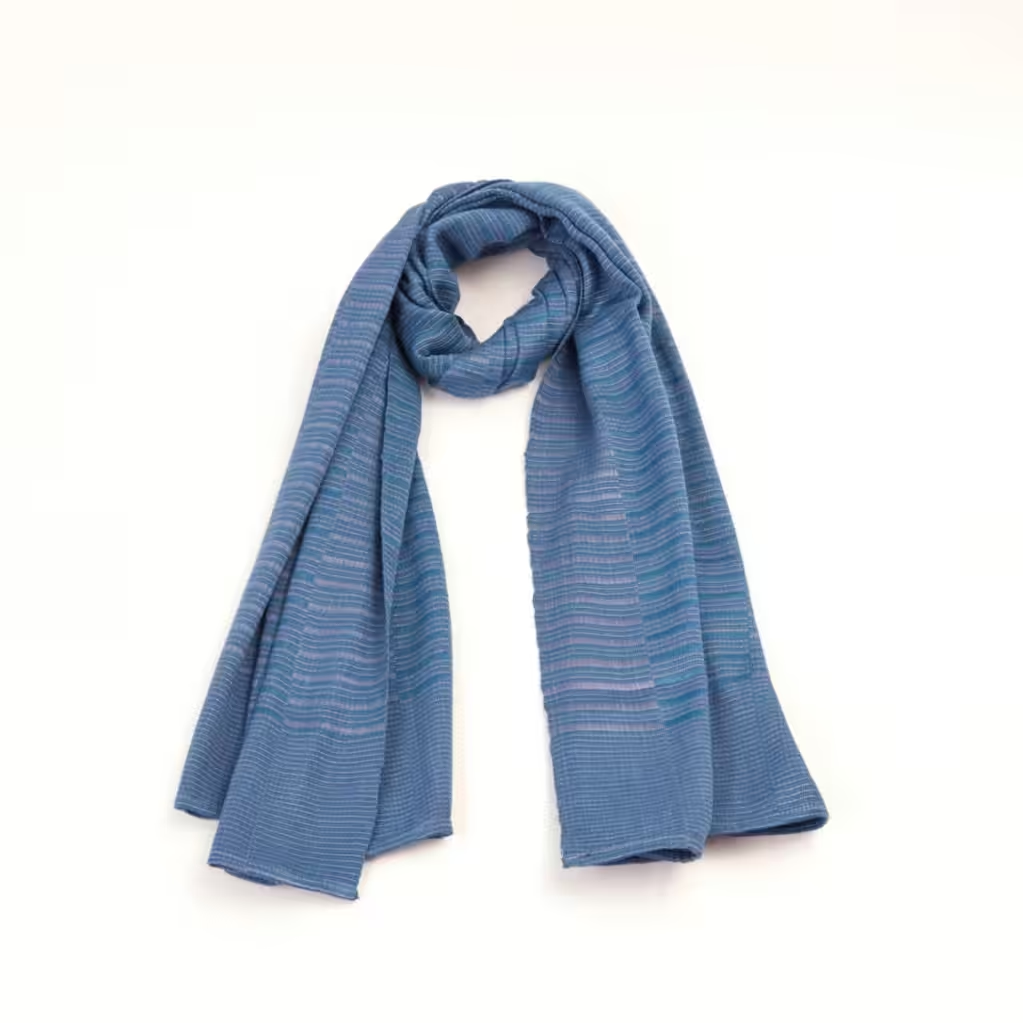
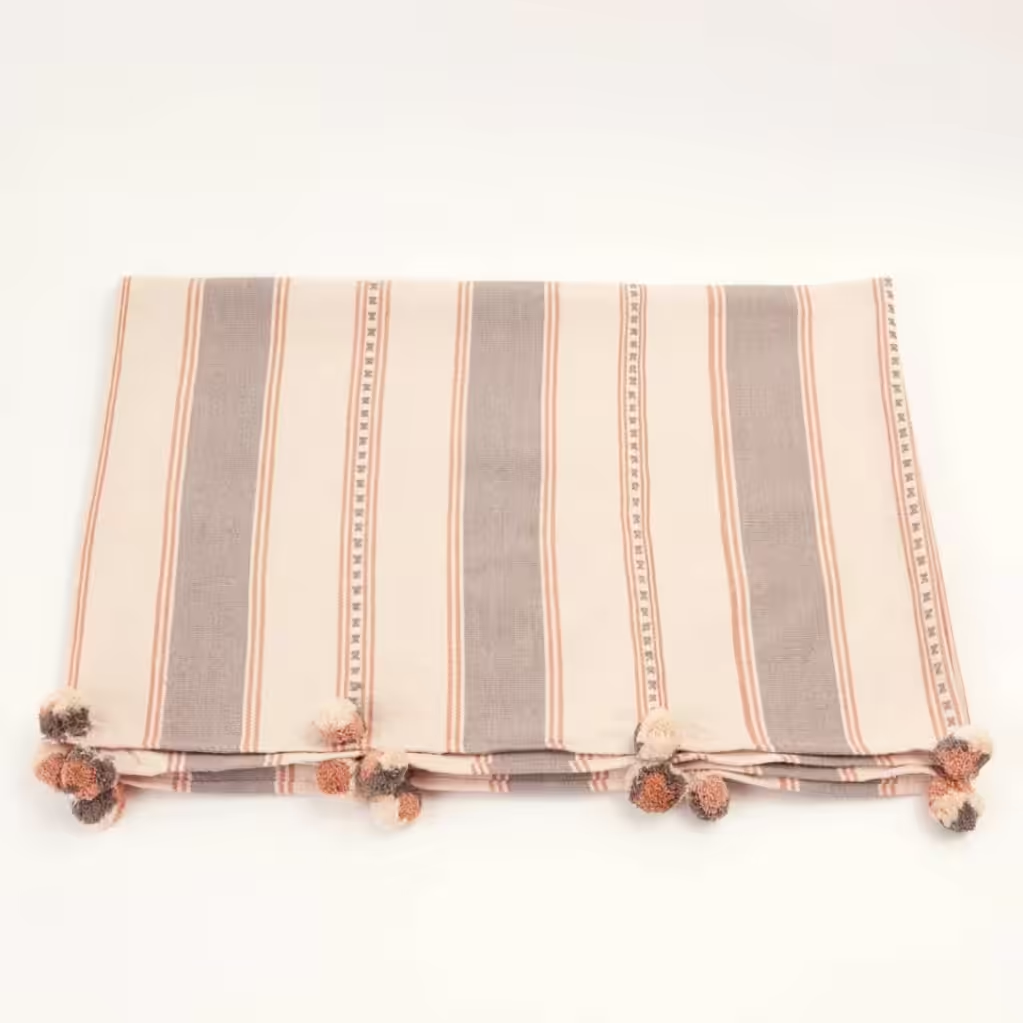
Weaving is an integral part of Myanmar’s cultural identity, with techniques and patterns passed down through generations. Among the country’s many ethnic groups in Myanmar, the Kayah (Karenni) and Chin peoples are renowned for their vibrant woven textiles, often used for clothing, home furnishings, and ceremonial garments.
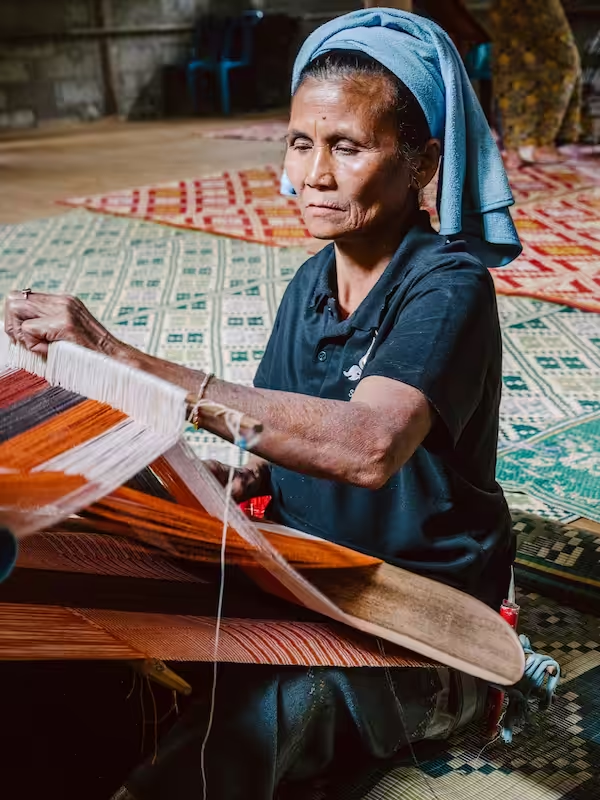
Kayah (Karenni) weavers create handwoven fabrics with geometric motifs, bold stripes, and deep natural dyes, often worn as tunics, shawls, and traditional longyis. Their designs are distinct for their rich red, black, and white hues, reflecting cultural identity and symbolism. These same weaving traditions are used to craft everyday essentials, such as the handwoven school bags carried by Karenni children – simple yet durable shoulder bags that hold books and supplies. Chin artisans are recognised for their bold, multicoloured patterns, traditionally woven on backstrap looms to craft ceremonial garments and everyday wear. Each piece reflects the weaver’s identity, social status, and ancestral heritage.
For these refugee women, weaving remains an important link to their past and a way to sustain themselves while displaced. This traditional skill is at risk of disappearing as artisans face challenges in accessing materials, markets, and stable livelihoods.
One of the oldest forms of weaving, this method uses a simple loom anchored to a fixed object on one end and the weaver’s body on the other. It allows artisans to create intricate, tightly woven fabrics without the need for large equipment.
Hand-Spun Thread
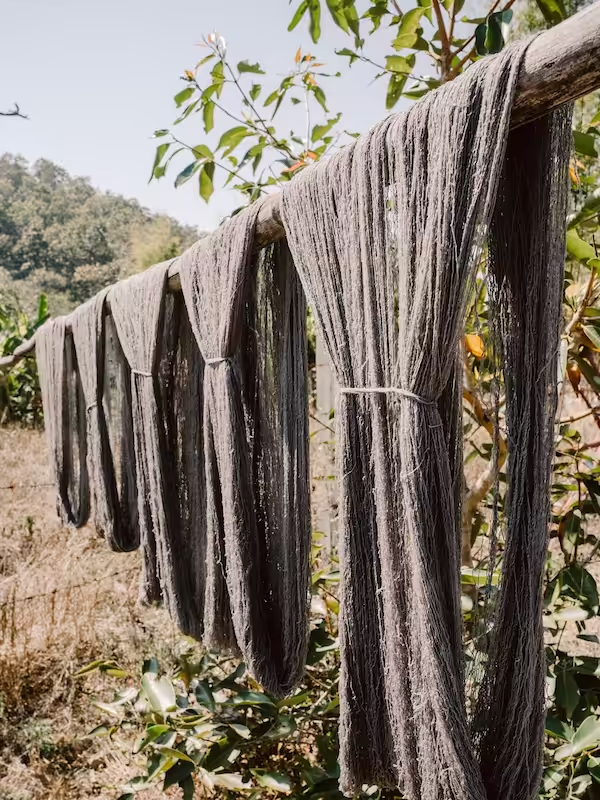
MADE51 artisans spin their own thread before weaving, using traditional techniques to ensure the finest quality yarn.
Natural Dyeing
Long fibres are intricately braided before being stitched together to shape functional and decorative pieces.
Materials
Weavers primarily use cotton, with some groups incorporating naturally dyed fibres for added depth and richness. Many artisans are also reviving the use of organic, hand-spun threads to preserve traditional techniques and promote sustainability.