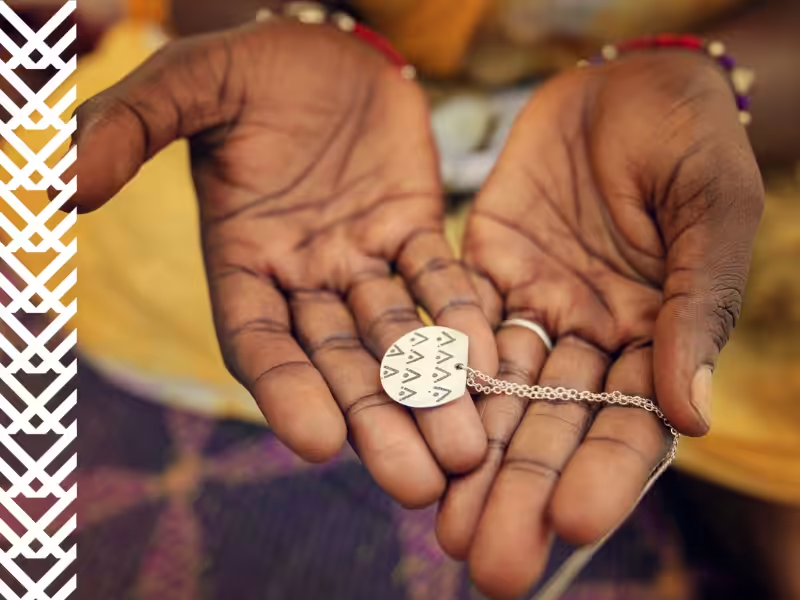
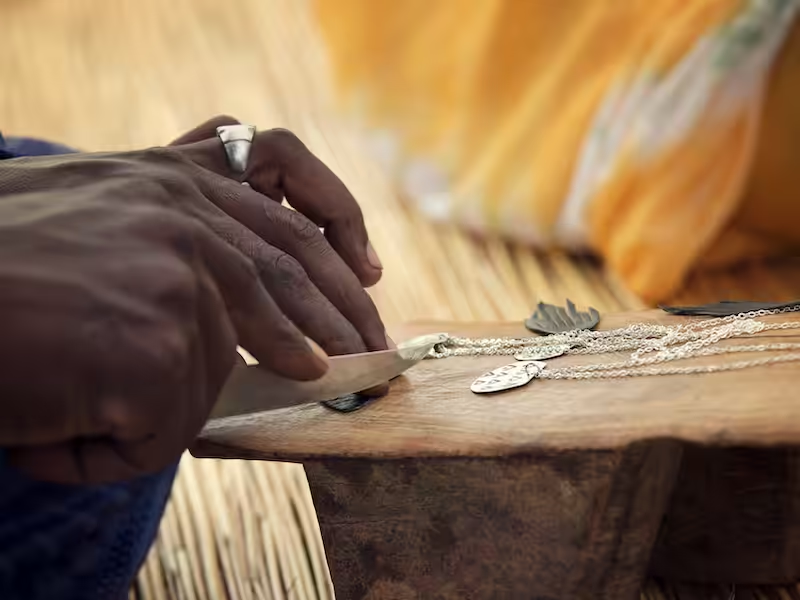
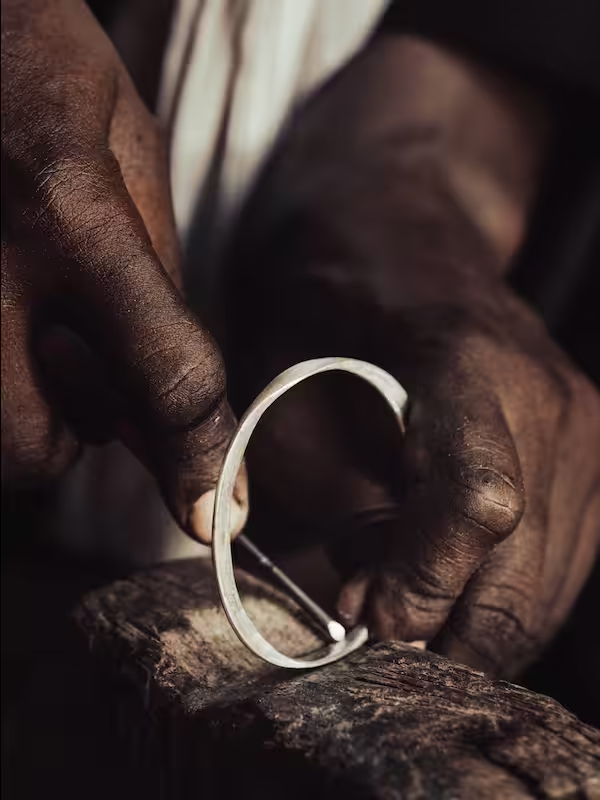
Many Malian artisans come from hereditary artisan castes, including blacksmiths, leatherworkers and jewellers, who pass down their knowledge and skills through generations. The Tuareg people, a nomadic pastoralist group, have lived across the vast expanse of the Sahara Desert for centuries. Their craftsmanship is deeply tied to their way of life, with metalwork and leatherwork serving both aesthetic and practical purposes.
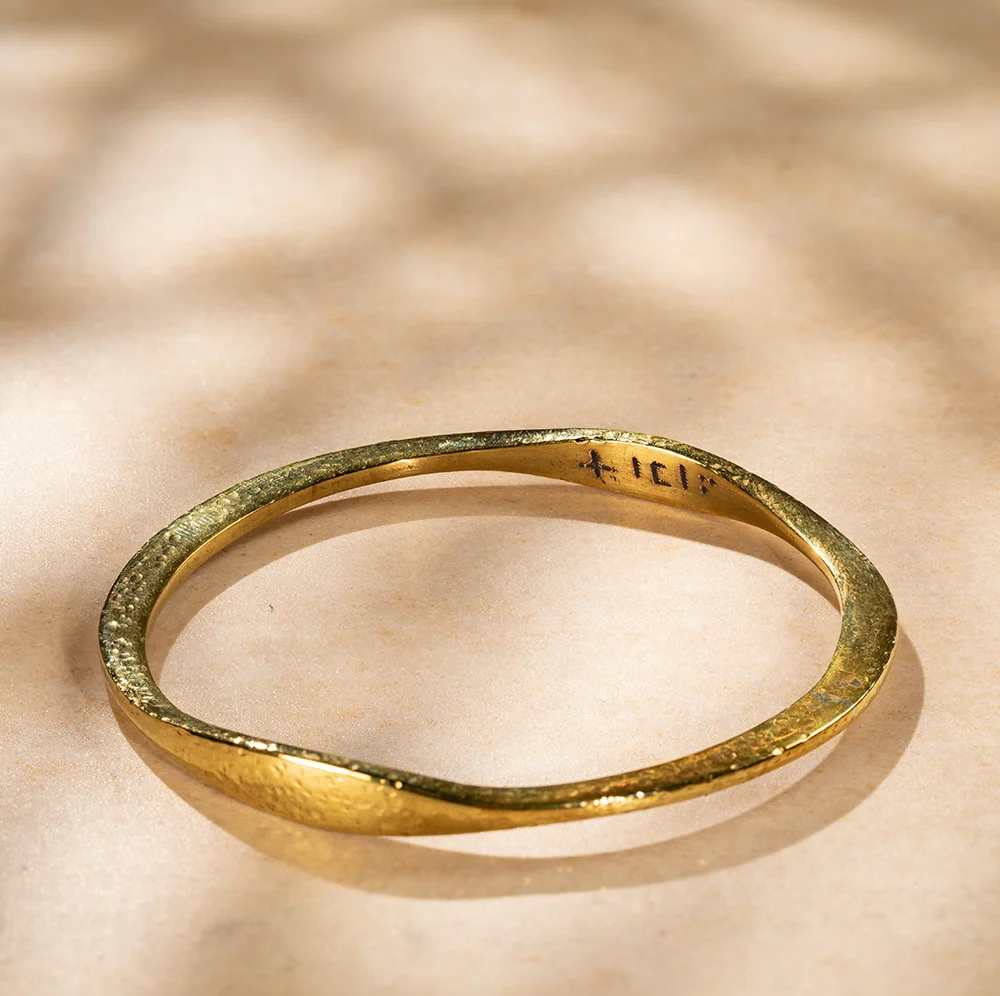
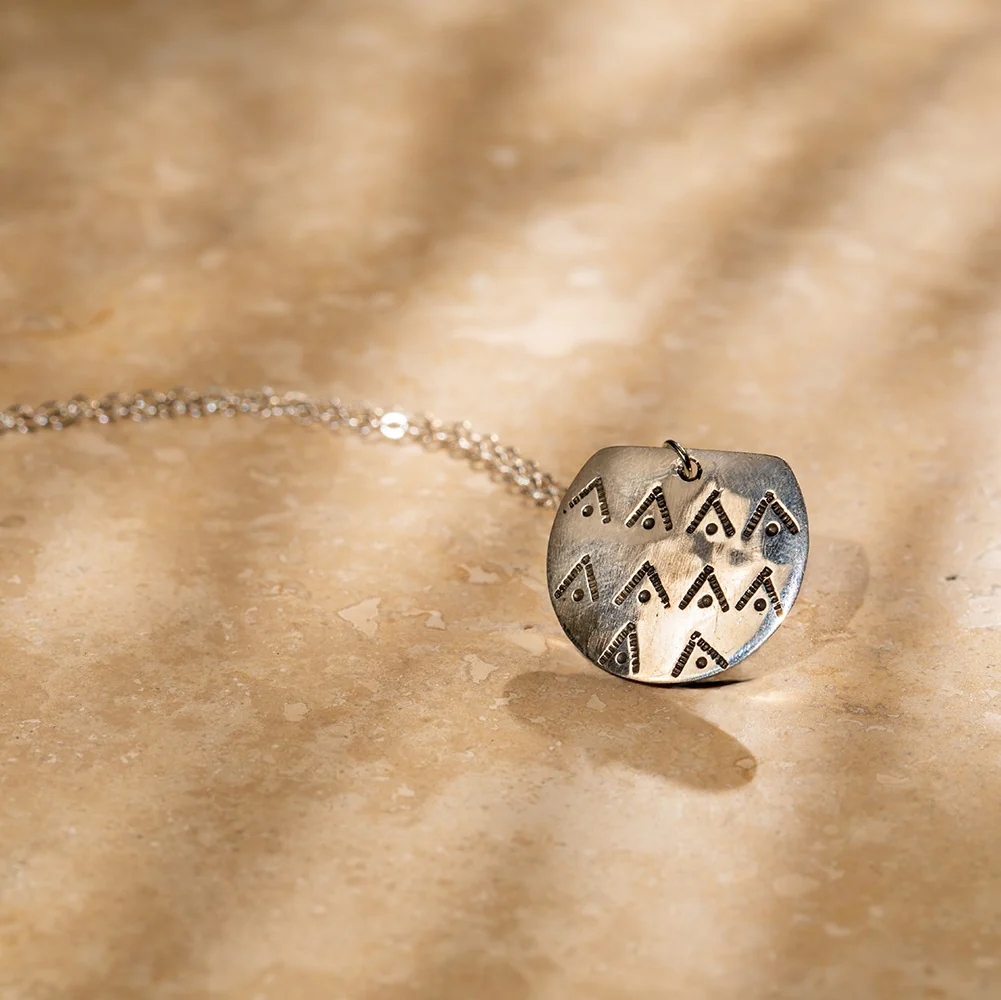
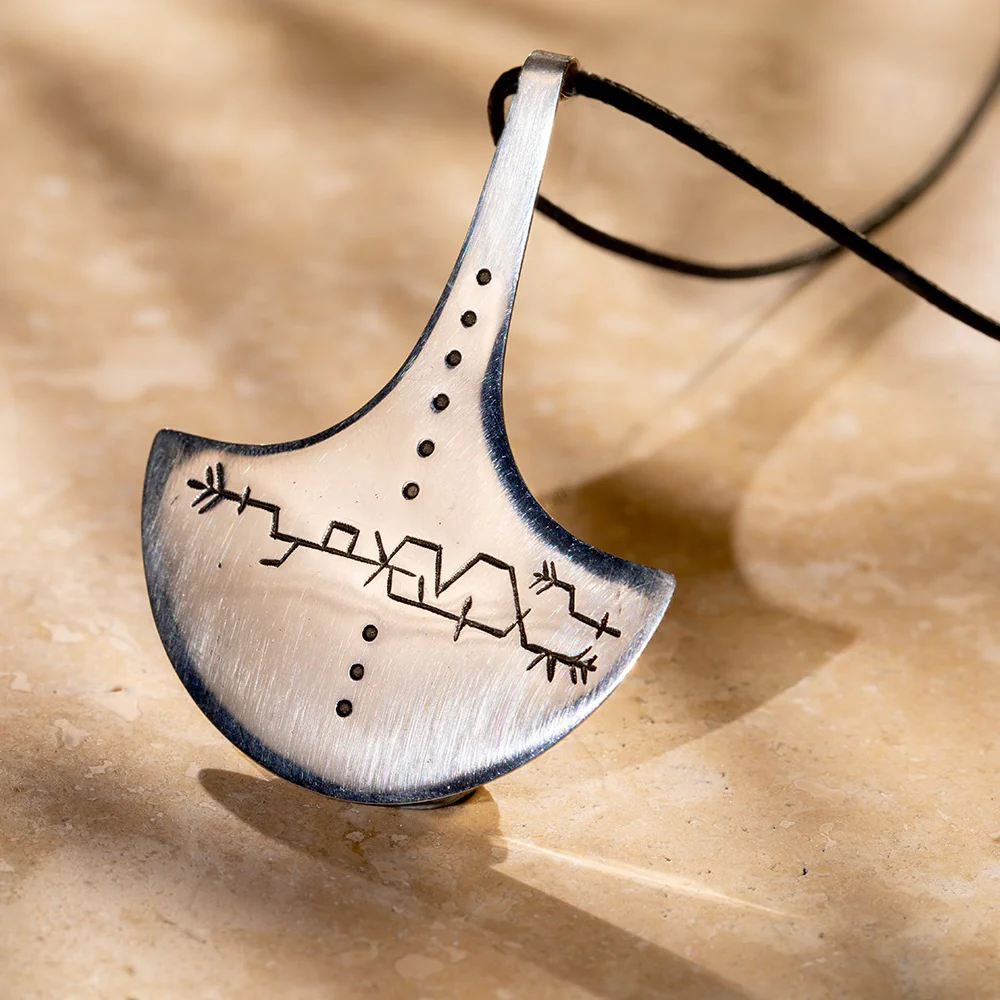
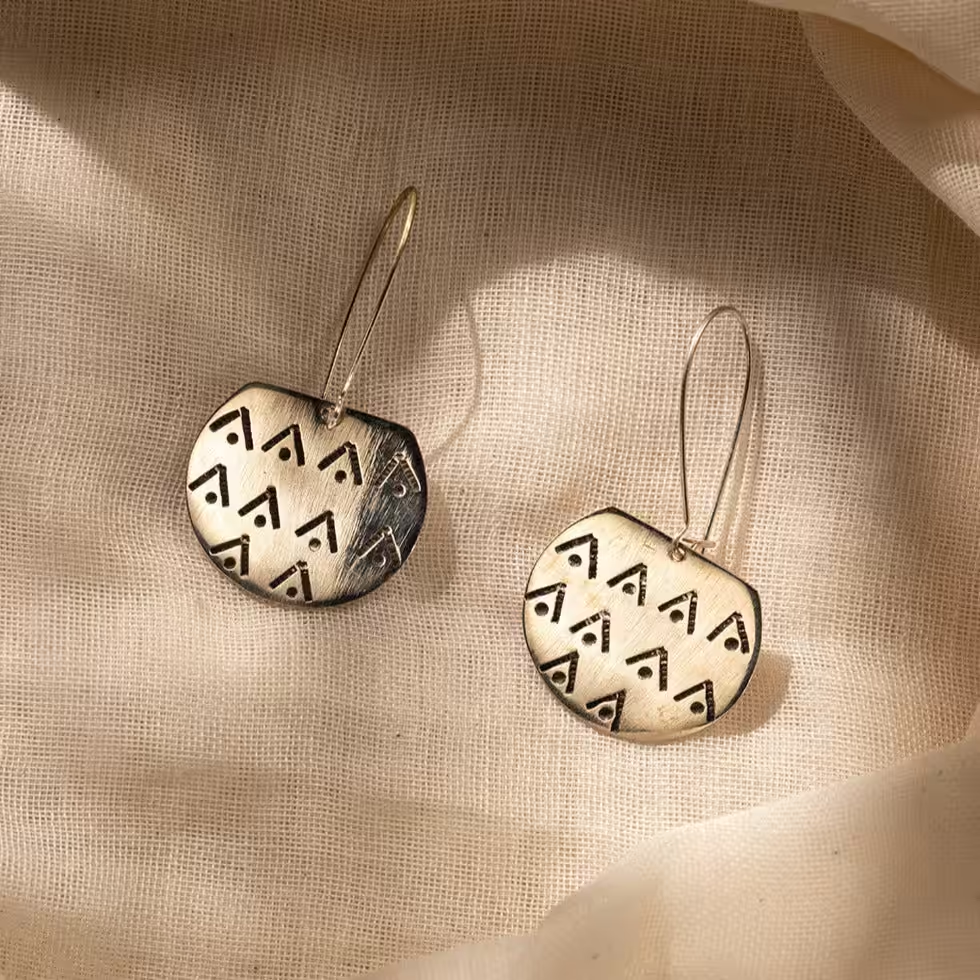
Tuareg metalwork is renowned for its intricate geometric patterns, symbolic motifs and fine engraving techniques. Historically, these designs were used in jewellery, swords and amulets, believed to offer protection and blessings to the wearer. Leatherwork, primarily crafted by Bella and Tuareg women, includes beautifully embossed bags, saddles and decorative accessories, reflecting both artistry and function.
Due to displacement caused by conflict and environmental changes, many Malian artisans have been forced to leave their traditional workshops, limiting access to the tools and materials needed to sustain their craft. Without support, these unique artisanal traditions are at risk of disappearing.
Intricate geometric and symbolic designs are etched into metal using simple tools, creating highly detailed patterns with precision and depth.
Lost-Wax Casting
This ancient technique involves creating a wax mould, covering it in clay and melting the wax away before pouring molten metal into the cavity, producing finely detailed pieces.
Repoussé & Chasing
Metal is hammered from the back to create raised relief patterns, then refined with fine detailing on the front.
Knotting
Decorative leatherwork incorporates intricate knotting techniques to create layered patterns and structural designs.
Materials
Tuareg artisans work primarily with natural and locally sourced materials. Silver, copper, and bronze are used for intricate jewellery, amulets, and tools, often featuring hand-engraved Tuareg motifs. Many artisans repurpose aluminium and other metals, adapting their techniques to available materials. Goatskin and cowhide leather is traditionally tanned and dyed with organic materials, then tooled or embossed with detailed patterns.