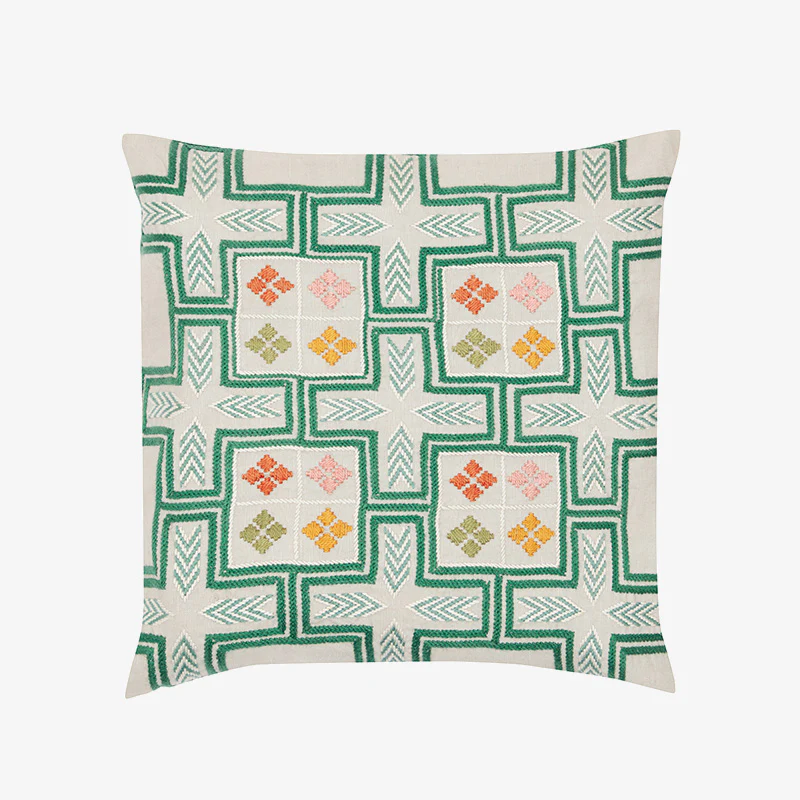
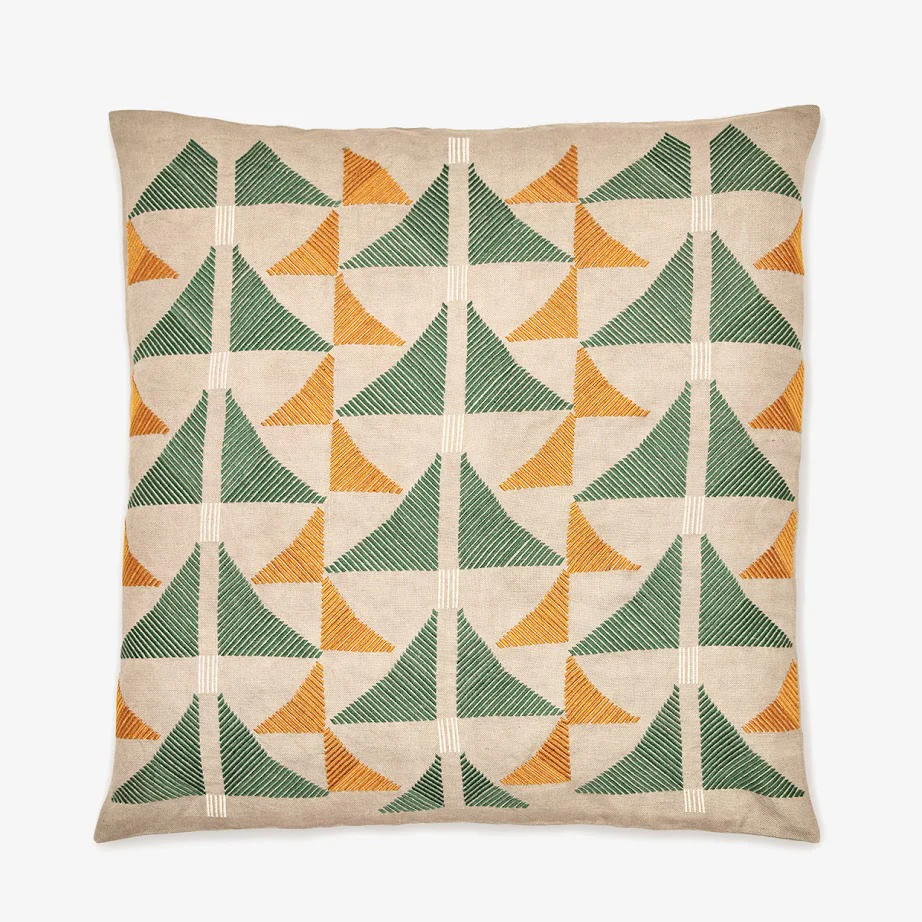
Artisan Links is a fair trade business based in Pakistan that empowers women in marginalized communities by helping them gain economic security through use of their artistic expertise.
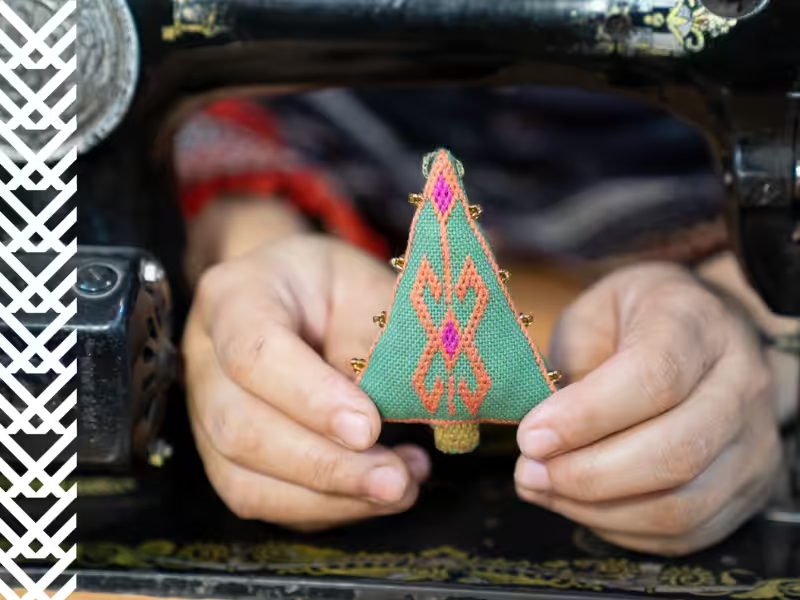
Artisan Links translates traditional embroidery techniques into contemporary designs to develop exquisite hand embroidered apparel, home furnishings, and, accessories. With cultural preservation at the heart of their philosophy, Artisan Links products showcase heritage embroidery techniques. Artisan Links is the only guaranteed member of the World Fair Trade Organization (WFTO) in Pakistan. They work with over 850 artisans, both Afghan refugees, Afghan returnees, and Pakistani women. The business, which was officially established in 2017, evolved from a Danish economic development initiative that began working with women in the craft sector in 1985.
Refugee Artisan Group
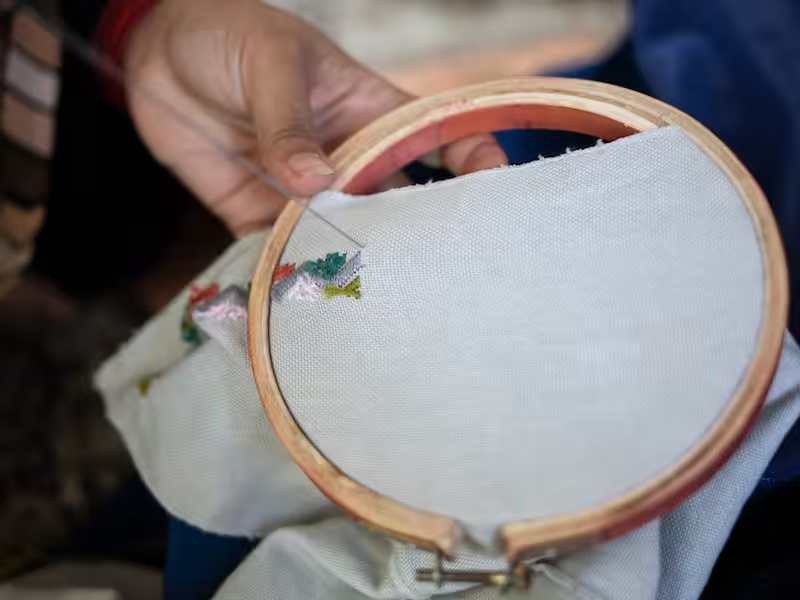
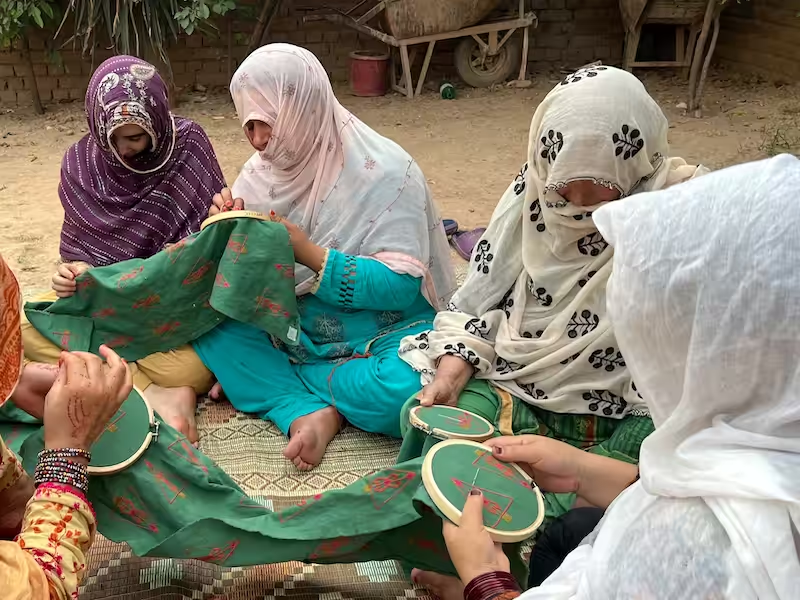
Afghan refugees and returnees work with Artisan Links. In Pakistan, the women are living in camps, mostly in the rural areas of Khyber Pakhtunkhwa Province, while the returnees are in Jalalabad, Afghanistan. Currently, the artisan groups have a total of 180 refugee and returnee women. These women specialise in traditional embroidery techniques, including Kandahari, Tarshumar, Zangeera, and Puktadozi. Though most women learn these needlework skills from their mothers and grandmothers, many have recieved additional training through their work with Artisan Links.
“I remember my childhood. We used to sit together and learn embroidery. My grandmother taught embroidery to my mother, who then taught me. I learned some stitches from neighbours and friends when we gathered. I will definitely teach this to my children. This is our culture and tradition.”