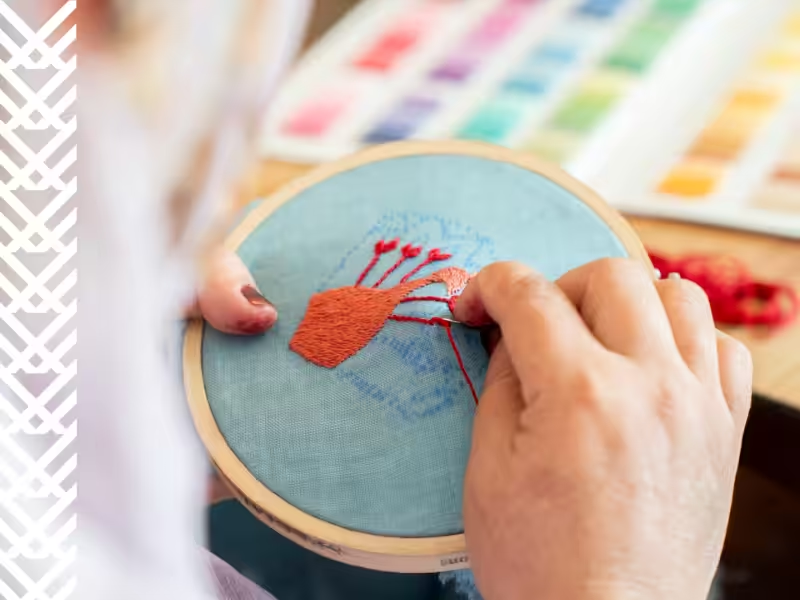
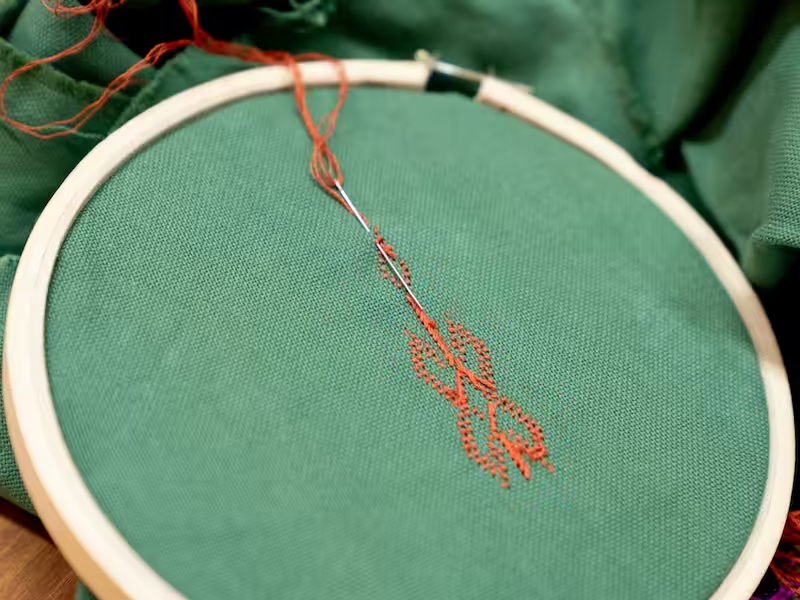
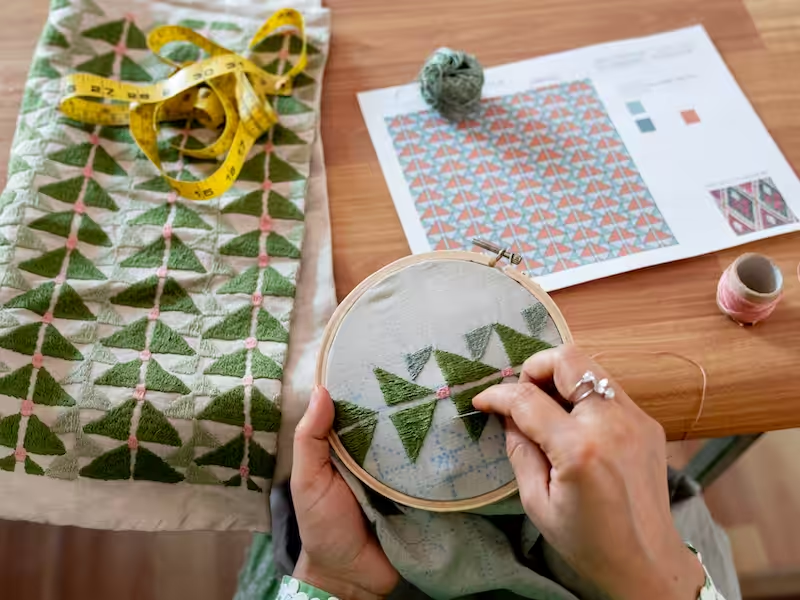
Embroidery is an integral part of Afghan culture, seen as a form of artistic expression that plays a role in traditional ceremonies, celebrations, and everyday life. Patterns often carry symbolic significance, with common motifs including flowers, vines, and geometric shapes appearing on dresses, shawls, and headscarves. The many geographies and ethnicities of the country are expressed through different styles of needlework. Some of these stitches are used to cover large areas of cloth quickly with bold, floral designs, while others are used to create intricate, geometric patterns. A great number of Afghan women possess traditional embroidery skills that celebrate the country’s vibrant cultural and artistic heritage. In addition to beauty, their pieces carry the weight of tradition, where every thread tells a story, creating designs that blend function and cultural heritage in every stitch.
The decades-long conflict in Afghanistan has severely threatened the survival of Afghan embroidery – displacement, economic hardship, and restricted opportunities make it harder for artisans to continue their craft. Through MADE51, Afghan refugee artisans living across the world are keeping this heritage alive, earning a sustainable income while preserving one of Afghanistan’s most treasured art forms.
Afghan embroidery varies by region, with different techniques showcasing the distinct identities of ethnic groups across the country.
Tarshumar
Also known as Hazara embroidery, the Tarshumar style originated in central Afghanistan. ‘Tar’ means thread, while ‘shumar’ means counting – this embroidery technique is very fine and precise. Considered a true work of art, designs based on rectangles and other geometric shapes are embroidered onto materials such as silk and cotton.
Kandahari
Also called Khamak (sewing), this technique is a detailed embroidery from the province of Kandahar. Khamak is a delicate hand embroidery using a thin needle. The designs feature geometric shapes that combine to create beautiful motifs, transforming each silk stitch into flowers, leaves, trees, birds, mountains and more.
Puktadozi
‘Pukta’ means ‘strong’, while ‘dozi’ means ‘embroidery’. This technique originated in Uzbekistan and was later adopted by nomadic Uzbeks in neighbouring countries like Turkmenistan, Tajikistan, and Afghanistan. It uses a satin stitch to create large embroideries, often used to cover a guest room wall.
Zanjeeri
Zanjeeri, derived from the Dari words for “chain” (Zanjeera) and “embroidery” (Dozi), is a technique popular among women from Ghazni, Afghanistan. This embroidery style features intricate geometric and floral patterns, which are carefully stitched using silk and cotton threads. The method’s precision and delicate details create vibrant designs that are a hallmark of the region’s rich textile traditions.
Materials
Thick cotton and silk threads in bold reds, blues, greens and yellows, stitched to create intricate designs, often bejewelled with small mirrors, beads and sequins to add sparkle and reflection.