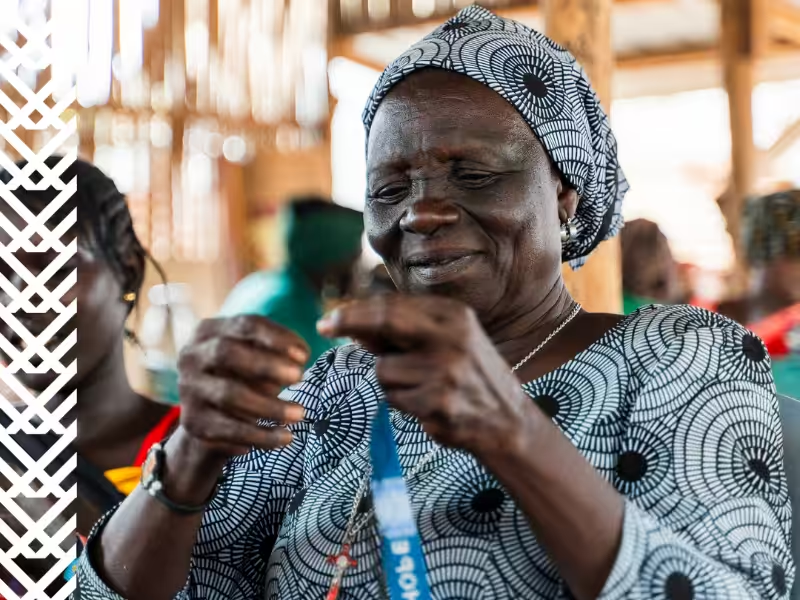
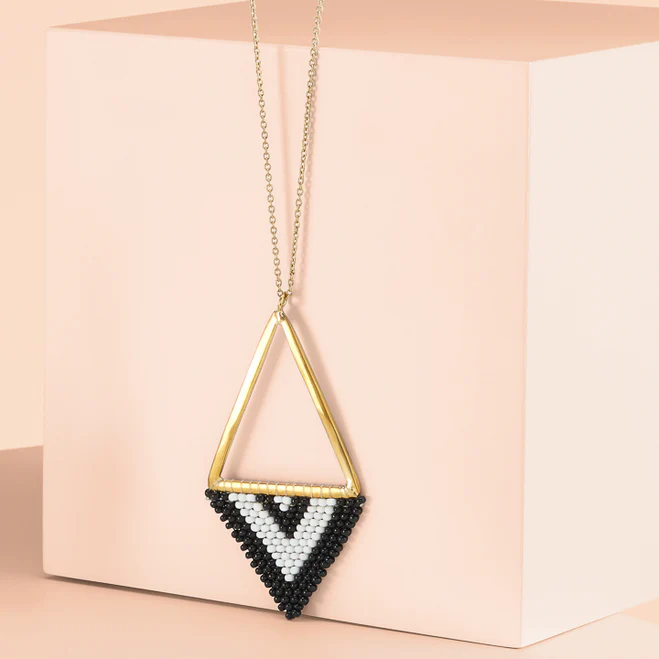
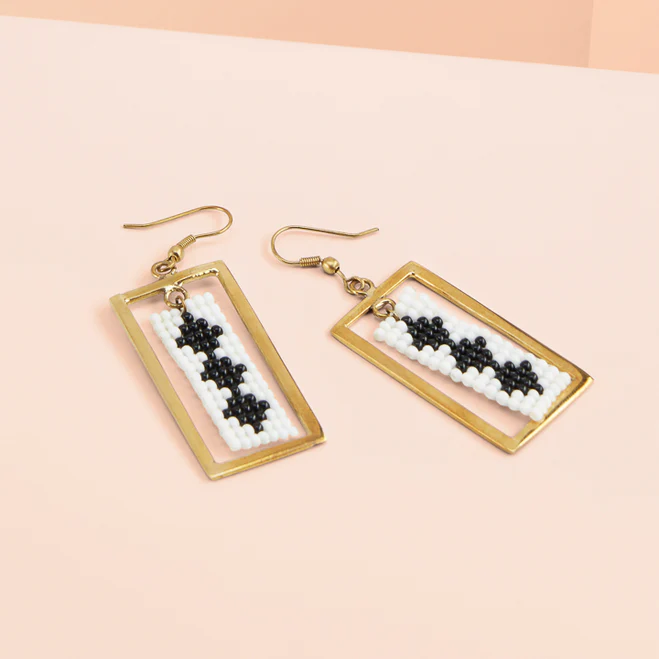
In South Sudan, beadwork is a skill passed down through generations, with artisans using traditional techniques to create intricate and finely detailed pieces that play an important role in all aspects of life. Beads made from a variety of materials come in many colours which hold symbolic meanings. Red can represent blood, courage, or power, while white can signify purity or spirituality. The specific meanings can vary between ethnic groups.
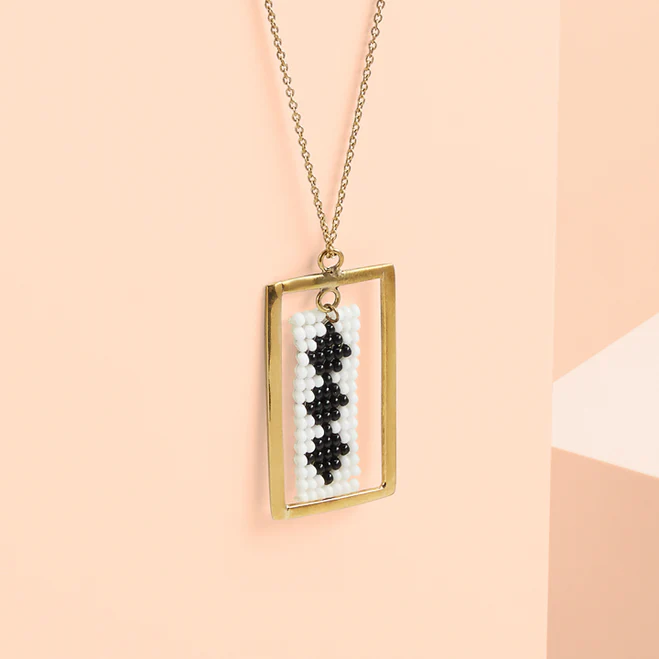
Beaded items include not only jewellery but also everyday items, such as belts, headpieces, and even functional objects like water bottle covers and homeware items such as wall hangings, beaded bowls, and coasters.
In South Sudan, each tribe utilises distinct beading techniques characterised by specific methods of weaving, crocheting, threading, and arranging beads, coupled with unique applications that symbolise cultural identity, social status, and aesthetic expressions within their communities.
Artisans carefully string together colourful beads, creating elaborate designs that are worn as necklaces, bracelets and earrings.
Beaded Embellishment
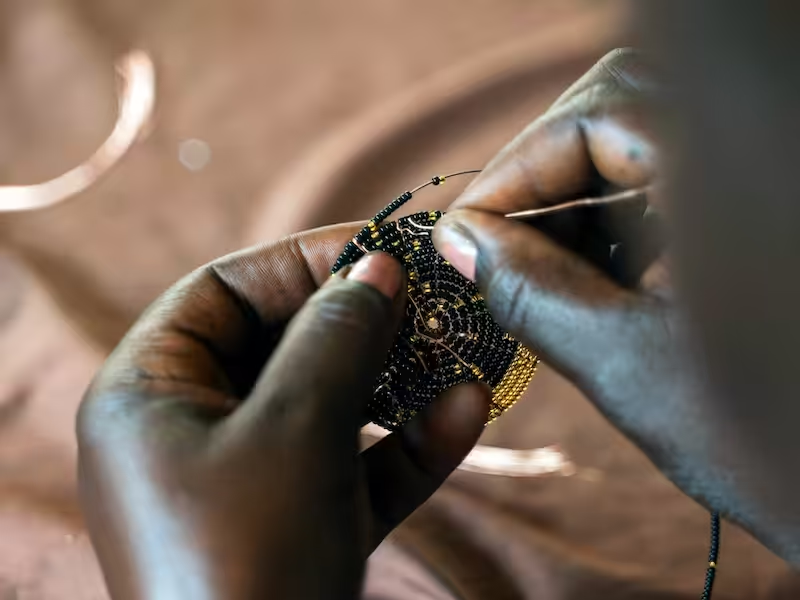
Beads are sewn onto fabric, leather or other materials to decorate garments and accessories with intricate, meaningful patterns.
Loom Beading
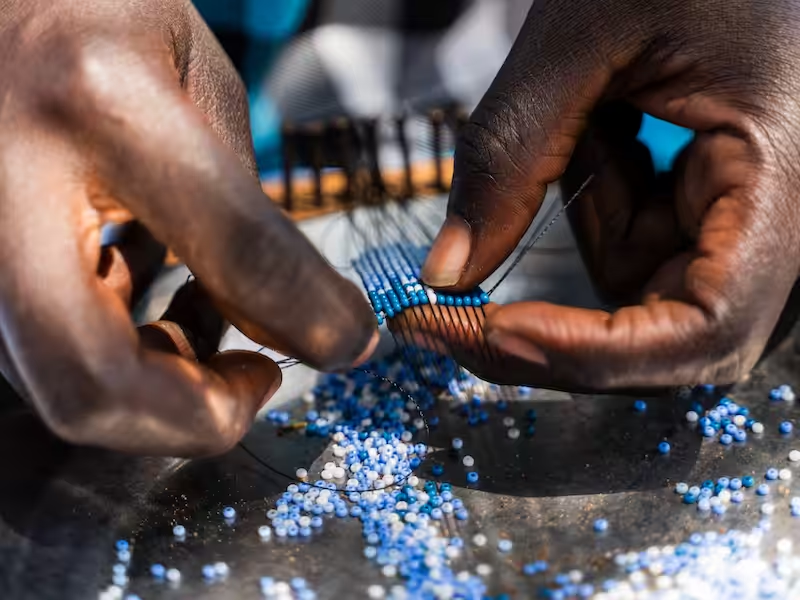
Using a small, handheld loom, artisans weave rows of beads together to form structured, geometric designs.
Crochet Beading
Beads are carefully thread and secured using tightly crocheted loops that form into think beaded ropes that can be mainpulated into jewellery and accessories. Beads are strung onto thread in a predetermined pattern before being incorporated into tight, uniform crochet stitches. This technique creates flexible, rope-like beadwork that can be shaped into jewellry and accessories.
Materials
Beads are made from glass and plastic, and at times, wood and metal, with artisans selecting colours and arrangements that hold cultural significance. Many refugee artisans also incorporate upcycled materials, adapting their craft to available resources while maintaining traditional aesthetics.